Why Does It Hurt When I Have Sex? Causes and What Helps
First of all, I’m sorry you’re asking this question. Sex should be pleasurable, not painful.
The good news? Most causes of painful sex (dyspareunia) can be addressed. You just need to figure out why it’s happening and what can help.
Painful Sex Can Affect More Than Just the Bedroom
Sex is more than just a physical act, it’s an essential part of intimacy, emotional connection, and relationship health. Studies show that painful intercourse is directly linked to decreased relationship satisfaction, increased stress, and even emotional distance between partners (Davis 2020; Kingsberg 2017).
When sex becomes painful, it can lead to:
- Avoidance of intimacy, making partners feel rejected or disconnected.
- Feelings of frustration, sadness, or guilt, especially if one partner still desires sex.
- Increased anxiety and stress, leading to a vicious cycle where fear of pain makes the problem worse.
- Breakdowns in communication, where couples struggle to talk about what’s wrong.
- Ignoring this issue doesn’t just affect your body, it can impact your entire life. But it is worth naming, and worth talking about — with your partner and with a clinician you trust.
You’re Not Alone, Many Women Experience Pain During Sex
You might be surprised (or maybe not) to learn that a lot of women experience pain during sex. Studies show that up to 45% of postmenopausal women report dyspareunia, primarily due to genitourinary syndrome of menopause (GSM), which includes vaginal dryness, irritation, and thinning vaginal tissues caused by declining estrogen levels (Nappi & Kokot-Kierepa, 2010, Portman & Gass, 2014).
The Most Common Causes of Painful Sex
1. Vaginal Dryness (The “Sandpaper” Effect)
If sex feels like rubbing sandpaper down there, you’re not alone. Many women experience vaginal dryness due to:
- Hormonal changes (menopause, breastfeeding, postpartum, birth control pills, low estrogen).
- Certain medications (antidepressants, antihistamines, birth control pills, cancer treatments) (Shifren 2018).
- Medical conditions (autoimmune disorders, Sjögren’s syndrome, vaginal atrophy).
Why does this happen? Postmenopausal women are particularly prone to vaginal dryness because estrogen levels drop, leading to thinner, less elastic vaginal tissues and reduced natural lubrication (Portman & Gass, 2014). The result? Less moisture, more friction, and more pain.
Solution:
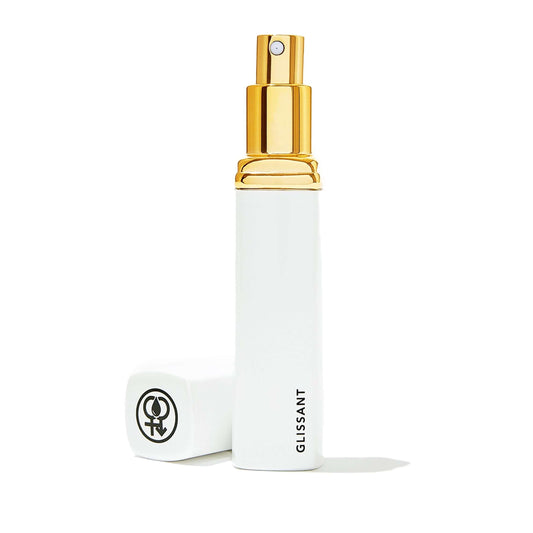
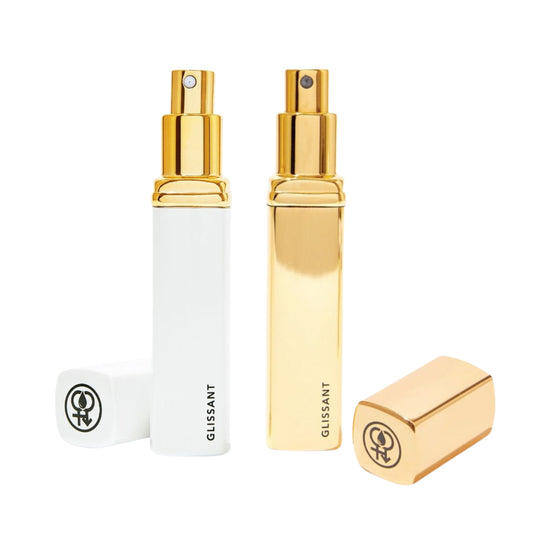
Use a high-quality lubricant, like GLISSANT’s FDA-cleared Eau D'Amour Sea Salt & Caramel Water-Based Lubricant Spray, Hydratant D'Amour or CBD & CBG Oil-Based Lubricant Spray (if you don’t use condoms) to add lasting moisture and reduce friction (Calleja-Agius 2020).
Consider hormone therapy (vaginal estrogen creams, tablets, or rings) if dryness is severe, studies show vaginal estrogen can significantly improve lubrication and decrease pain (Kingsberg 2017).
2. Pelvic Floor Dysfunction (The “Tight and Tense” Problem)
Sometimes, pain isn’t just about dryness, it’s about tight, spasming muscles that make penetration painful or even impossible.
Common causes include:
- Pelvic floor dysfunction (PFD), chronic tension in the pelvic muscles (Davis 2020).
- Vaginismus, involuntary contractions that prevent penetration (Pacik 2010).
- Previous trauma, injury, or anxiety-related muscle tightness.
Solution:
Pelvic floor physical therapy (yes, there are specialists for this!), proven to help women retrain and relax vaginal muscles (Morin 2017).
Dilators relaxation techniques to gradually improve flexibility and ease discomfort (Reissing 2005).
Some women also reach for a CBD-infused option like GLISSANT’s Oil-Based Lubricant for the cushioned, unhurried feel it brings to intimacy. It is not a treatment for pelvic floor dysfunction — pelvic floor physical therapy is the evidence-based route, and a good lubricant simply makes the process more comfortable.
3. Infections & Inflammation (Yeast, BV & More)
If sex burns, stings, or feels inflamed, infections or inflammation could be the issue.
- Yeast infections (itchy, thick discharge).
- Bacterial vaginosis (BV) (fishy odor, watery discharge).
- Urinary tract infections (UTIs) (burning, urgency to pee).
- Genital skin conditions (lichen sclerosus, eczema, dermatitis).
Solution:
Get tested & treated, antibiotics, antifungals, or prescription creams may be needed (Nyirjesy, 2008).
Avoid harsh soaps, douches, and synthetic underwear that can disrupt vaginal pH and microbiome, increasing the risk of infections (Mendling 2016).
4. Endometriosis & Pelvic Inflammatory Disease (Deep Pain)
If you experience deep pain during or after sex, the problem may not be the vagina, but deeper in the pelvis.
- Endometriosis (when uterine-like tissue grows outside the uterus) can cause sharp or aching pain deep inside (Giudice, 2010).
- Pelvic inflammatory disease (PID) (often caused by untreated STIs) can lead to internal scarring and pain (Workowski Bolan, 2015).
Solution:
See a specialist if deep pain persists.
Hormonal treatments, pain management, or surgery may be options, depending on severity (Giudice, 2010).
What Actually Helps
The right solution depends on the cause, but some general fixes can make a big difference:
- Use a lubricant -seriously, it can make all the difference. Just remember, ingredients matter! Choose one that’s safe and healthy for you and your vagina.
- Strengthen & relax your pelvic floor (pelvic floor physical therapy, yoga, gentle stretching).
- Get the right diagnosis (if pain persists, see a gynecologist or pelvic pain specialist).
- Adjust medications if needed (some birth control pills & antidepressants can worsen dryness).
For a deeper dive into what causes vaginal dryness and how to fix it, check out our guide on Tips for Relieving Vaginal Dryness.
What Helps Right Away?
A high-quality, body-safe lubricant. If dryness is the root of it, start with our guide to the best lubricants for menopause.
Try GLISSANT’s Intimate Lubricants, designed with women's wellness in mind. Whether you need a water based option or an oil-based formula with CBD & CBG, these are made to reduce friction and help intimacy feel more comfortable.
Sex should feel good. If it doesn’t, you deserve better than quietly putting up with it.
For Partners: How to Support Without Pressure
Painful sex affects both people, and support makes an enormous difference.
Listen without defensiveness
Pain during sex is not rejection. It is a physical problem that deserves compassion, not apology.
Focus on connection, not performance
Taking the pressure off lets intimacy stay warm and relaxed instead of becoming a test.
Be patient with pacing
Slower penetration, more lubricant, and longer arousal time make an enormous difference to comfort.
Expand what intimacy means
Sex does not have to mean penetration. Touch, massage and closeness keep you connected while you work out what is going on.
References:
- Calleja-Agius, J., et al. (2020). "Menopause and the Aging Vagina." Climacteric.
- Coutts, A. J., et al. (2002). "The Endocannabinoid System and Pain." Trends in Neurosciences.
- Davis, S. N., et al. (2020). "Pelvic Floor Dysfunction and Dyspareunia." Obstetrics & Gynecology Clinics.
- Giudice, L. C. (2010). "Clinical Practice: Endometriosis." New England Journal of Medicine.
- Kingsberg, S. A., et al. (2017). "Vaginal Estrogen for Genitourinary Syndrome of Menopause." Menopause.
- Mendling, W., et al. (2016). "Vaginal pH and Microbiome Balance." Archives of Gynecology and Obstetrics.
- Morin, M., et al. (2017). "Effectiveness of Pelvic Floor Physical Therapy for Dyspareunia." Journal of Sexual Medicine.
- Nappi, R. E., & Kokot-Kierepa, M. (2010). "Sexual Dysfunction in Menopausal Women." Maturitas.
- Nyirjesy, P. (2008). "Chronic Vulvovaginal Candidiasis." Obstetrics & Gynecology.
- Pacik, P. T., et al. (2010). "Vaginismus: Diagnosis and Treatment." Sexual Medicine Reviews.
- Portman, D. J., & Gass, M. L. (2014). "Genitourinary Syndrome of Menopause: New Terminology for Vulvovaginal Atrophy." Menopause.
- Reissing, E. D., et al. (2005). "Treatment of Vaginismus." Sexual and Relationship Therapy.
- Shifren, J. L., et al. (2018). "Hormonal and Nonhormonal Management of Menopausal Symptoms." JAMA.
- Workowski, K. A., & Bolan, G. A. (2015). "Sexually Transmitted Infections Guidelines." CDC Guidelines.